
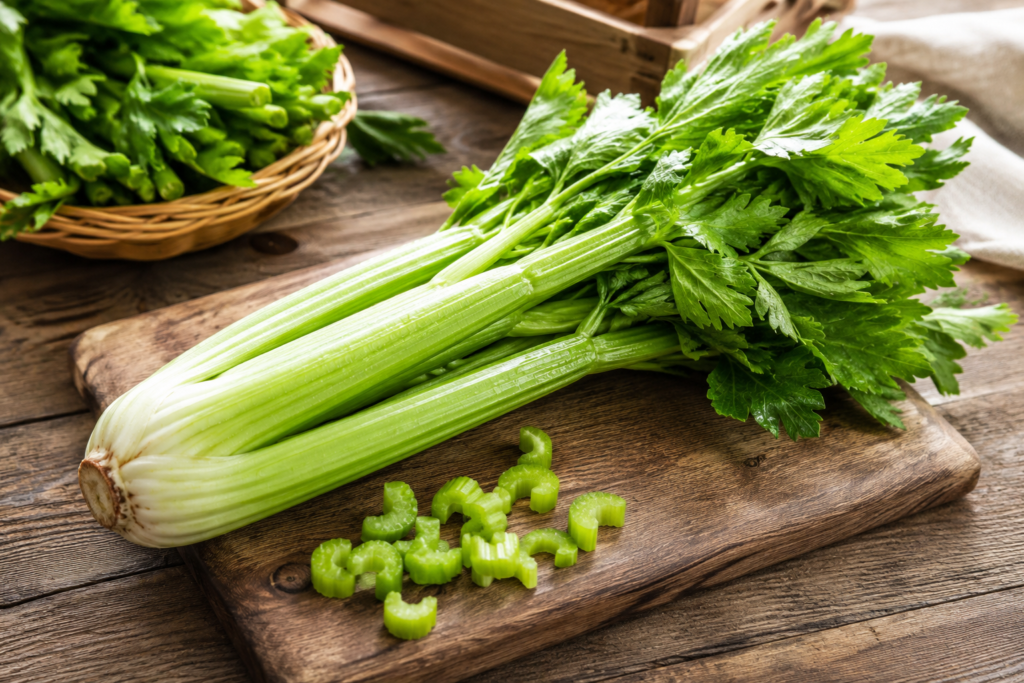
The first time I came across the phrase pravi celer, I honestly wondered whether it was the name of a special vegetable I had somehow missed. It sounded like something different from the ordinary celery sitting in the vegetable drawer.
After looking into it, I discovered that the phrase is much simpler than it first appears. In South Slavic languages, pravi can mean “true,” “real,” or “authentic,” while celer refers to celery. So, in a straightforward sense, pravi celer means “true celery” or “real celery.”
That little discovery made me look at celery differently. It is one of those vegetables that can easily get overlooked. We chop it into soup, add it to salads, or use it as a crunchy snack without thinking much about it.
But there is more to celery than its reputation as a background ingredient.
What Is Pravi Celer?
The simplest way to understand pravi celer is as a traditional or natural reference to celery rather than a completely separate vegetable.
Celery is scientifically known as Apium graveolens. It belongs to the Apiaceae family, alongside familiar plants such as carrots, parsley, fennel, and coriander.
The phrase itself has South Slavic roots and is associated with languages including Serbian, Croatian, and Bosnian. In everyday conversation, the meaning can depend on context, but the literal idea is essentially “true celery.”
One thing I would keep in mind is that there is a lot of questionable information online claiming that pravi celer is a revolutionary new superfood or a scientifically distinct celery variety.
I would be careful with those claims.
There is no need to turn celery into something mysterious. Regular celery is already a useful vegetable with a long history in cooking.
Why Is Celery So Interesting?
Celery has a distinctive combination of crunch, water content, aroma, and mild earthy flavor.
It can be eaten raw, cooked, blended, chopped, or added to stocks and soups. The stalks are probably the part most people recognize, but celery leaves can also add plenty of flavor to food.
The root deserves attention too.
Celeriac, sometimes called celery root, is a different cultivated form of the same species. It has a knobby appearance and a much stronger earthy flavor than the familiar stalk celery.
This is one reason conversations about pravi celer can become confusing. People may use the term while talking about stalk celery, celery root, or traditional ways of using the entire plant.
Nutritional Value of Celery
One reason I like celery is that it is an easy vegetable to add to meals without making them feel heavy.
Celery contains water, dietary fiber, vitamin K, vitamin C, folate, potassium, and various plant compounds. The exact nutritional content depends on the amount eaten and the particular variety.
It is also naturally low in calories, which makes it convenient for people who want to include more vegetables in everyday meals.
Some Nutritional Highlights
Celery can contribute:
- Vitamin K
- Vitamin C
- Potassium
- Folate
- Dietary fiber
- Water
- Various antioxidant plant compounds
Of course, celery should not be treated as a miracle food. I think the better approach is to see it as one useful part of a varied diet.
That is much more realistic than expecting one vegetable to transform your health overnight.
Potential Benefits of Pravi Celer
When people search for pravi celer benefits, they often come across long lists of dramatic health claims.
I prefer to keep things simple.
1. It Helps Add More Vegetables to Your Diet
This might sound obvious, but it is important.
A vegetable does not have to be exotic to be useful. Celery can make it easier to add another plant food to your meals.
I often think the best healthy foods are the ones that are easy to use consistently.
2. It Provides Fiber
Celery contains dietary fiber, particularly when eaten in its whole form.
Fiber is an important part of a balanced diet and contributes to normal digestive function. Rather than relying on celery alone, it makes more sense to get fiber from a mixture of vegetables, fruits, whole grains, beans, nuts, and seeds.
3. It Adds Flavor Without Much Heaviness
This is one of celery’s underrated qualities.
A small amount of chopped celery can give soup, stew, salad, or stock a fresh and slightly savory character.
That means you can use it as a flavor-building ingredient instead of treating it only as a snack.
4. It Contributes Plant Compounds
Celery contains naturally occurring plant compounds, including flavonoids and other phytochemicals.
Research into these compounds continues, but I would avoid turning laboratory findings into promises about treating or preventing specific diseases.
Food is food first.
How I Like to Use Celery in Everyday Cooking
This is where celery becomes much more interesting.
If you only eat raw celery sticks, you may eventually get bored. I would.
Instead, try using it in different ways.
Add It to Soups
Chopped celery works beautifully with onion and carrot as a base for soups and stews.
I especially like cooking the vegetables gently at the beginning. It gives the celery time to release its aroma and blend with the other ingredients.
Make a Fresh Salad
Thinly sliced celery can give a salad a surprisingly satisfying crunch.
Try combining it with:
- Apples
- Carrots
- Cucumber
- Lemon juice
- Fresh herbs
- Yogurt or a light dressing
The contrast between crisp vegetables and a creamy dressing can be really good.
Use the Leaves
Here is one of my favorite simple tips.
Do not automatically throw away the celery leaves.
They can be chopped and added to soups, sauces, salads, or homemade stocks. They have a stronger celery flavor than the stalks, so a little can go a long way.
Try Celery Root
If you want something different, look for celeriac.
It can be roasted, boiled, mashed, added to soup, or grated into salads. Its flavor is earthy and slightly nutty, making it especially useful in colder-weather dishes.
My Two Simple Tips for Using Celery
After experimenting with different ways of preparing vegetables, I have found that preparation makes a huge difference with celery.
Tip one: If raw celery tastes too strong, slice it very thinly. The texture becomes much easier to enjoy, especially in salads.
Tip two: Keep celery properly stored in the refrigerator so it stays crisp. Soft, dehydrated celery is much less appealing than fresh, crunchy celery.
I also recommend washing celery thoroughly before eating it. If you are using the leaves and stalks together, give the whole bunch a good rinse and remove any damaged sections.
Pravi Celer in Traditional Cooking
Celery has a long culinary history, particularly across European and Mediterranean food traditions.
In Balkan and other European kitchens, celery can appear in soups, stews, sauces, vegetable mixtures, and stocks. The root is particularly useful when a recipe needs a deeper earthy flavor.
That traditional approach is something I appreciate.
Instead of treating a vegetable as a trendy wellness product, traditional cooking often asks a simpler question: How can I make good food with what I have?
Celery fits that philosophy perfectly.
Is Pravi Celer a Special Superfood?
This is probably the most important clarification.
Based on the available information, pravi celer should not automatically be considered a completely separate species or scientifically proven superfood. The phrase is generally understood as “true” or “real celery,” with its exact meaning depending on context.
Some websites make very specific claims about unusual nutritional concentrations or special cultivated varieties. I would not repeat those claims without reliable scientific or agricultural evidence.
The ordinary celery we already know is interesting enough.
How to Add More Celery to Your Meals
If you are curious about trying more celery, you do not need to completely change your diet.
Start small.
- Add chopped celery to your next soup.
- Slice it thinly into a salad.
- Mix it with carrots and cucumber for a crunchy snack.
- Save the leaves for soups and stocks.
- Try celery root if you find celeriac at your local market.
- Experiment with celery alongside apples, lemon, herbs, or yogurt.
The goal is not to eat enormous quantities.
The goal is simply to make this versatile vegetable part of normal meals.
Final Thoughts on Pravi Celer
For me, the most interesting thing about pravi celer is that the phrase sounds far more complicated than the food itself.
At its simplest, it points us toward real or traditional celery. The term has South Slavic linguistic roots, and celery itself is a familiar vegetable with plenty of culinary uses.
I think that is actually a useful reminder.
We do not always need the newest superfood or a complicated wellness trend. Sometimes a simple vegetable that has been used in kitchens for generations deserves another look.
Celery can add crunch to salads, flavor to soups, freshness to snacks, and depth to stocks. Its leaves can be useful too, while celery root opens up an entirely different side of the plant.
So, if pravi celer was a new term for you, start with the basics. Pick up some fresh celery, wash it well, and try using it in a meal you already enjoy.
You might be surprised by how much flavor this humble vegetable can bring.